


Kenai River Fishing Tips for Alaska Anglers
If you’re planning to fish the Kenai River in Alaska, knowing the right times, gear, and techniques can make all the difference. With so many species and spot-specific tips, it’s essential to be prepared. Whether you’re after salmon or rainbow trout, understanding the local rules and best spots will help you succeed. Keep reading to discover key insights that can turn your trip into a memorable experience.
Best Times to Fish on the Kenai River
The best times to fish on the Kenai River vary throughout the year, but generally, late spring and summer offer prime opportunities. During these seasons, you’ll find the best seasonal windows for catching salmon and trout. The prime fishing hours typically occur during early mornings and late evenings when fish are most active. Planning your trip around these periods increases your chances of success. Spring brings the run of sockeye and king salmon, while summer is ideal for silver salmon and rainbow trout. Keep in mind that fish tend to feed more aggressively during these prime hours, making your fishing experience more productive. To enhance your chances, consider consulting local guides or resources that specialize in fishing guides near you to find the best spots and times for your visit.
Essential Gear for Kenai River Fishing
To have a successful day on the Kenai River, you need the right gear tailored to its unique conditions.
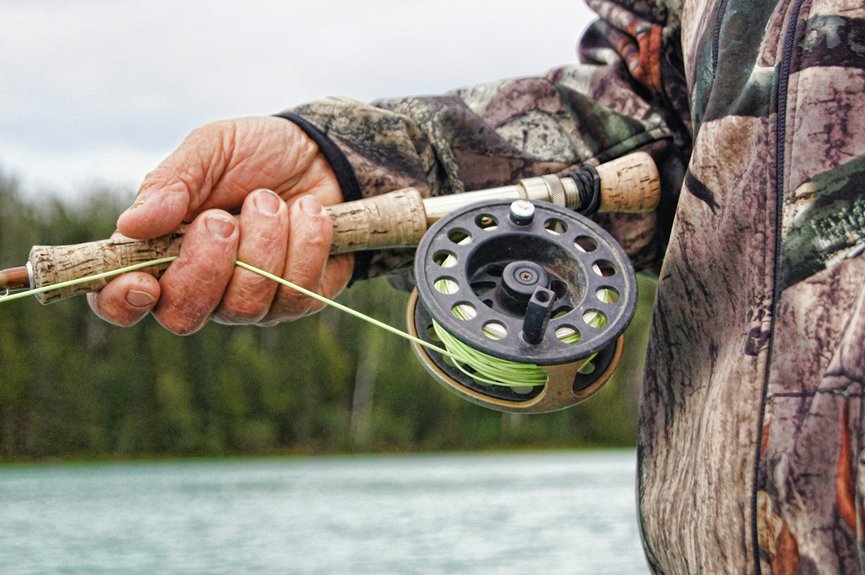
For fly fishing, bring a versatile rod, quality reel, and an assortment of flies suited for salmon and trout.
Waders and waterproof boots are essential for wading safely through cold, swift currents.
A polarized fishing glass helps you spot fish beneath the surface.
Don’t forget a good map or GPS device for river navigation, especially if you plan to explore different sections.
A sturdy tackle box with extra lines, lures, and tools ensures you’re prepared for changing conditions.
Weather can shift quickly, so pack rain gear and layered clothing.
With the right gear, you’ll navigate the river confidently and maximize your chances of a successful catch.
Top Techniques for Salmon Fishing
Mastering salmon fishing on the Kenai River requires employing proven techniques that increase your chances of success. One effective method is fly fishing, which allows you to present your bait naturally and attract salmon more easily. Use lightweight rods and sinking lines to reach the fish in deeper waters.
Bait selection also plays a pivotal role; choose fresh, vibrant roe or suitable artificial lures that mimic natural prey. Adjust your technique based on salmon behavior and water conditions—cast upstream and let your bait drift naturally with the current.
Pay attention to your strike indicators or take note of subtle bites, as salmon can be cautious. Consistently refine your approach, stay patient, and adapt your tactics to improve your odds of landing a salmon on the Kenai River.
Tackle Recommendations for Rainbow Trout
If you want to successfully catch rainbow trout on the Kenai River, choosing the right tackle is essential.
For fly fishing, use a lightweight rod in the 3-5 weight range to improve your presentation. Pair it with a matching reel and floating or sinking lines based on the water depth.
Bait selection is also vital; many anglers opt for small, colorful flies or spinners that mimic local aquatic insects and baitfish.
Light tippets around 4-6 lb test work well for sensitive bites and better hook sets.
Keep your gear simple and responsive to stay agile and adapt to changing conditions.
The right tackle setup will help you make precise casts and increase your chances of landing rainbow trout in this prime fishing spot.
Understanding the River’s Regulations and Seasons
Understanding the river’s regulations and seasons is essential for a successful and legal fishing experience on the Kenai River. You need to familiarize yourself with local fishing laws, including size limits, bag restrictions, and special catch-and-release rules that vary throughout the year.
Seasonal restrictions are also critical, as certain sections of the river may be closed during spawning periods or specific months to protect fish populations. Always check current regulations before your trip, since they can change yearly.
Ignoring these rules can lead to hefty fines or losing your fishing privileges. Being informed ensures you fish responsibly and enjoy your time without legal issues.
Stay updated with the Alaska Department of Fish and Game’s regulations to keep your fishing experience smooth and compliant.
Spotting the Best Fishing Locations
Knowing where to fish on the Kenai River can make a significant difference in your catch rate. Start by studying riverbed mapping to identify deep pools, gravel bars, and current breaks where fish tend to gather.
Pay attention to water temperature, as salmon and trout prefer specific ranges; warmer or cooler spots can influence their activity. Look for areas with stable water flow and structure—like submerged logs or rocks—that provide cover.
During low-light periods, fish often move into shallower zones, so adjust your location accordingly. Use your knowledge of riverbed features and temperature variations to target productive spots.
Tips for Catching Trophy-Sized Fish
Reaching for trophy-sized fish on the Kenai River requires more than just luck; it demands strategic targeting and patience. Focus your efforts during peak seasons and times when big fish are actively feeding.
When fly fishing, use large, high-quality streamers or nymphs that mimic natural prey to attract larger fish. Bait selection is equally essential—opt for cutthroat or salmon eggs, or lively bait like herring, which appeal to trophy fish.
Cast beyond typical spots and let your bait or fly drift naturally with the current to entice a strike. Be prepared to wait, and don’t rush your presentation.
With patience, precise bait selection, and strategic fly fishing techniques, you’ll increase your chances of landing that trophy-sized catch you’ve been dreaming of.
Safety and Conservation Practices on the Kenai River
As you pursue trophy-sized fish on the Kenai River, it’s important to guarantee safety and uphold conservation practices to assure the river remains healthy and accessible for everyone.
Be mindful of your environmental impact by following local regulations and respecting habitat boundaries. Practice catch and release properly to protect fish populations, using wet hands and minimal handling to reduce stress.
Always wear a life jacket, especially in swift currents, and stay aware of changing river conditions.
Avoid overcrowding by fishing responsibly and respecting other anglers’ space.
Keep the river clean by packing out all trash and fishing gear.
Conclusion
To make the most of your Kenai River fishing trip, plan your timing around prime hours and seasons, and bring the right gear and techniques. Stay informed about local regulations and conservation practices to guarantee a safe, sustainable adventure. Explore different spots on the river and be patient—trophy-sized fish often require persistence. For expert guidance and insider tips, visit us online at [US Fishing Guides](https://www.usfishingguides.com). With preparation and respect for the environment, you’ll enjoy a memorable fishing experience in Alaska’s breathtaking wilderness.
We write rarely, but only the best content.
