


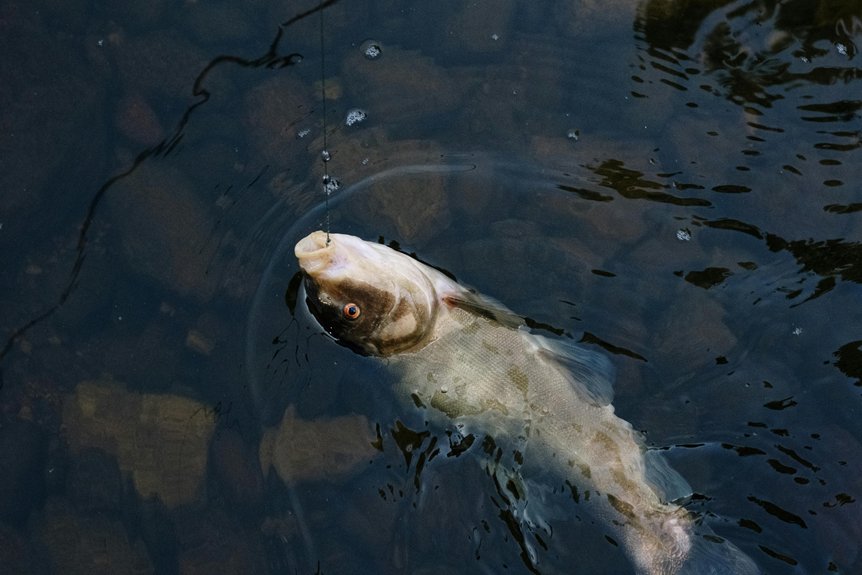
Lake Murray Fishing Tips for Bass
If you’re looking to improve your bass fishing success at Lake Murray, understanding the right techniques and timing can make a significant difference. From knowing when bass are most active to selecting the best lures for various habitats, your approach needs to be strategic. There’s more to uncover that can help you target larger fish and maximize your outings, so staying informed about local conditions and effective tactics is essential.
Best Times of Day to Fish for Bass on Lake Murray
The best times of day to fish for bass on Lake Murray are early morning and late afternoon. During the best dawn, bass are more active as they feed heavily before the day heats up. You’ll notice the water is cooler, and bass tend to stay close to their cover, making it easier to spot their movements.
Late afternoon is another prime time because bass emerge from deeper waters to feed before sunset. During this period, bass are often more aggressive and willing to strike, especially as the light begins to fade.
Fishing during these periods increases your chances of success, as bass are naturally more active. Focus your efforts during these times for the most productive bass fishing experience on Lake Murray.
Top Baits and Lures for Lake Murray Bass
To catch bass effectively on Lake Murray, choosing the right baits and lures makes all the difference. Your lure selection should focus on versatile options like soft plastics, crankbaits, and spinnerbaits, which mimic local prey.
When it comes to bait presentation, keep your movements natural and deliberate to entice strikes.
For bass that are lurking near submerged structures, a Texas rig or jig can be especially effective.
During warmer months, topwater lures like poppers and frogs can provoke explosive bites.
Remember, the key is matching your lure choice to the current conditions and bass activity.
Experiment with different colors and sizes until you find what triggers strikes, and always pay attention to how your bait moves in the water.
Understanding Lake Murray’s Bass Habitats and Structure
Understanding Lake Murray’s bass habitats and structure is essential for successful fishing, as bass tend to congregate around specific underwater features. One key element is aquatic vegetation, where bass hide and hunt for prey. Look for areas with thick submerged plants or lily pads, especially near drop-offs or channels. Search fishing guides near you to find local experts who can help identify these productive spots.
Shoreline structure also plays a crucial role; bass often position themselves around points, ledges, and underwater humps that break up the lake’s flat areas. These structures provide cover and ambush points, making them ideal spots to target.
Techniques for Fishing Around Underwater Cover and Structures
Casting accurately around underwater cover and structures requires a combination of targeted techniques and keen observation. Focus on underwater vegetation and submerged timber, as these are prime bass habitats. Use slow, deliberate retrieves to entice strikes from bass hiding near these features. Cast close to the edges of the cover, and vary your presentation to see what triggers bites.
When working around underwater vegetation, consider using weedless rigs or soft plastics to avoid snags. Near submerged timber, drop your bait into crevices and overhanging branches. Pay attention to current and wind, which can influence your casting accuracy and lure placement.
Patience and precision are key—target these structures carefully, and you’ll increase your chances of hooking bass lurking around underwater cover.
Using Electronics to Locate Bass Effectively
Using electronics has revolutionized bass fishing by making it easier to locate fish quickly and accurately. Proper sonar calibration is essential; it guarantees your fish finder displays precise readings, reducing guesswork. Regularly calibrate your sonar to account for water conditions and depth changes at Lake Murray.
When scanning, focus on fish arch detection—these arches indicate active bass beneath your boat. Recognize the shape and size of the arches to determine if they’re bass or other species.
Use your electronics to identify structures, drop-offs, and vegetation where bass tend to hide. By interpreting sonar data effectively, you’ll save time and increase your chances of success.
Mastering these tools gives you a significant advantage in targeting bass efficiently and consistently on Lake Murray.
How Weather Conditions Influence Bass Activity
Weather conditions have a direct impact on bass activity, influencing their movement, feeding patterns, and overall behavior. Changes in weather patterns can trigger bass to become more active or hold tight to cover.
For example, sunny days with stable weather often lead bass to stay near shallow structures, while overcast or rainy conditions may push them into deeper water.
Water temperature plays a vital role; bass are most active when temperatures are between 55°F and 75°F. Cooler water slows their metabolism, reducing feeding activity, while warmer water can increase their activity level.
Sudden temperature drops or increases can temporarily disrupt their habits.
Paying attention to these weather patterns and water temperature helps you predict bass behavior and increases your chances of a successful catch.
Seasonal Strategies for Bass Fishing at Lake Murray
As the seasons change at Lake Murray, bass behavior shifts accordingly, requiring you to adjust your fishing approach. During different moon phases, bass become more active or retreat, so plan your trips around full moons or new moons for better bites.
In spring and summer, focus on shallow structures, while fall and winter call for deeper water and slower presentations.
Regular boat maintenance is essential year-round, especially as weather conditions vary with the seasons. A well-maintained boat guarantees you’re ready to fish efficiently, whether you’re making long runs or fishing tight cover.
Staying adaptable to seasonal changes and understanding how moon phases influence bass activity will help you maximize your success on Lake Murray year-round.
Tips for Catching Big Bass on Lake Murray
Catching big bass on Lake Murray requires targeting specific areas and employing strategic techniques that attract these trophy fish. Your tackle selection is vital—use heavy-duty rods and reels paired with strong, durable line to handle large bass.
Focus on using lures that mimic natural prey, such as large soft plastics or crankbaits. When it comes to casting techniques, accuracy matters. Cast beyond likely hiding spots like submerged structures, then slowly reel in while maintaining contact with the bottom.
Use a steady, controlled retrieve to provoke strikes from big bass lurking deep or near cover. Adjust your technique based on water conditions, and don’t be afraid to experiment with different lures and retrieve speeds.
Patience and precision are your best tools for landing those big Lake Murray bass.
Essential Gear and Tackle for Lake Murray Bass Fishing
To effectively target bass on Lake Murray, having the right gear and tackle is essential. Your lure selection plays a vital role, so bring a variety of options like soft plastics, crankbaits, and spinnerbaits to adapt to different conditions.
Make certain your rod and reel are suitable for bass fishing—medium or medium-heavy setups work well. Don’t forget to carry extra line and tackle boxes to stay organized.
Before heading out, verify you have the proper fishing license; it’s required to fish legally on Lake Murray.
Using the right gear combined with a good understanding of lure selection increases your chances of success. With these essentials, you’ll be well-prepared to make the most of your bass fishing trip.
Safety Tips and Regulations to Keep in Mind While Fishing
Having the right gear and tackle sets you up for a successful bass fishing trip on Lake Murray, but staying safe and following regulations guarantees you can enjoy your time on the water responsibly.
Always prioritize boating safety by wearing a life jacket and staying aware of weather conditions.
Make sure you have the required fishing licenses before heading out; fishing without one can lead to fines and penalties.
Follow local regulations on catch limits and protected species to help preserve Lake Murray’s ecosystem.
Respect posted signs and navigational rules to avoid accidents.
Keep your vessel in good condition, and stay alert while on the water.
Conclusion
To maximize your bass fishing success at Lake Murray, focus on prime times early morning and late afternoon. Use slow retrieves near structure and cover, and leverage electronics to find active bass. Stay mindful of safety regs and environmental practices, and choose the right lures for the conditions. With patience and preparation, you’ll enjoy productive trips and big catches in this beautiful lake. For expert guidance and additional tips, visit us online at [US Fishing Guides](https://www.usfishingguides.com). Happy fishing!
We write rarely, but only the best content.
