


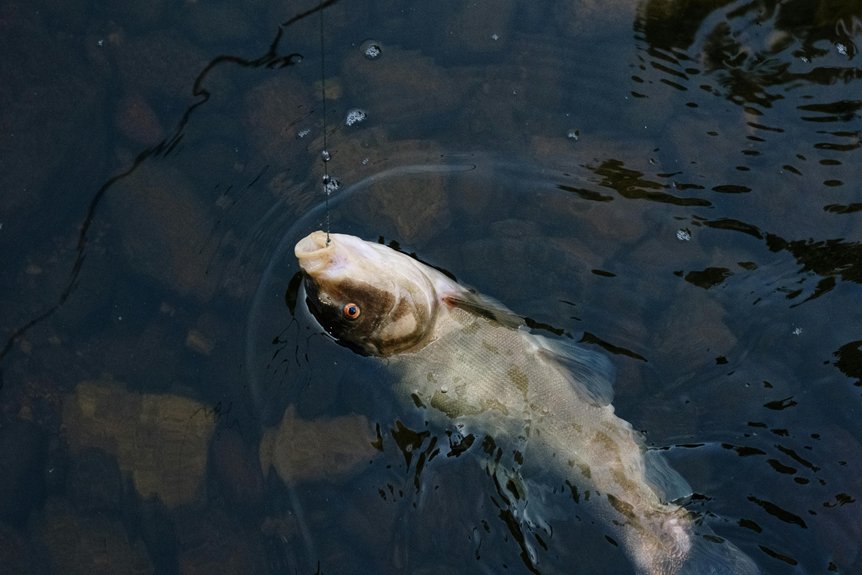
Lake Powell Fishing Tips: Best Time for Striped Bass
If you’re planning to fish for striped bass at Lake Powell, timing can make all the difference. Knowing when these fish are most active can lead to more successful outings. From their seasonal migrations to the best times of day to cast your line, understanding these patterns helps you maximize your chances. Curious about how to align your trip with their habits? Keep exploring to discover the key periods that can boost your fishing success.
Understanding Striped Bass Migration Patterns at Lake Powell
Understanding the migration patterns of striped bass at Lake Powell is key to successful fishing. These fish tend to move between deep water and spawning grounds depending on the season. During warmer months, they often settle in deep water, where cooler temperatures provide comfort and food sources. As fall approaches, they migrate toward shallow areas near spawning grounds to reproduce. Recognizing these movements helps you target the bass effectively. During spawning, they gather around specific shallow areas, making these spots ideal for fishing. Tracking water temperature, current, and depth can reveal their preferred habitats. Additionally, monitoring fish behavior and environmental cues can give you an edge in locating these fish. By understanding when and where striped bass transition between deep water and spawning grounds, you improve your chances of a successful catch. Stay observant of these patterns to optimize your fishing strategy.
Peak Seasons for Striped Bass in Lake Powell
Knowing when striped bass are most active at Lake Powell can considerably boost your chances of a successful catch. The peak seasons typically fall in spring and fall when water temperatures fluctuate, prompting bass to feed aggressively.
During spring, from March to May, fish move into shallower waters, making lure selection easier with topwater plugs and soft plastics.
Fall, from September to November, also sees increased activity as bass prepare for winter, so focus on vertical jigging and trolling with the right fishing gear.
Timing your trips during these periods gives you the advantage of targeting aggressive fish willing to strike. Keep your lure selection versatile, matching the seasonal food sources, and use appropriate gear for the water conditions.
This approach maximizes your chances during prime striped bass seasons.
Best Water Temperatures for Targeting Striped Bass
Striped bass are most active and easiest to catch when water temperatures range between 58°F and 68°F. At these temperatures, fish activity increases, making them more likely to bite.
When water warms up to the upper 60s, they tend to move to shallower areas to feed, which improves your chances of a successful catch.
Conversely, if the water drops below 58°F, their activity slows down, and they become less responsive to bait.
Monitoring water temperature helps you pinpoint the best times to fish for striped bass at Lake Powell.
During ideal temperature ranges, you’ll notice more aggressive feeding behavior and increased movement, making your efforts more productive.
Staying aware of water temperature fluctuations can greatly improve your striped bass fishing experience.
Optimal Times of Day for Striped Bass Fishing
The best times of day to fish for striped bass at Lake Powell are early morning and late afternoon when the fish are most active. During these periods, striped bass often feed aggressively, making them easier to catch.
Early morning is particularly productive because the fish engage in night feeding, lingering near the surface before settling into deeper water as the sun rises.
Late afternoon, just before sunset, is also ideal, as the fish resume feeding after a day of resting. During these times, you’ll experience heightened activity, increasing your chances of success.
Fish tend to be more responsive to bait and lures when they’re actively feeding, so plan your trip accordingly for the best results.
Seasonal Changes in Fish Behavior and How to Adapt
As seasons change at Lake Powell, fish behavior shifts substantially, requiring you to adapt your strategies accordingly. During spawning behavior, striped bass focus on shallow waters, often near spawning grounds, making them more accessible if you target these areas.
Feeding habits also change with the seasons; in warmer months, they feed more aggressively on baitfish, so using live bait or lures that mimic baitfish can increase your chances.
In colder months, fish become less active and move to deeper waters, so you’ll need to modify your approach by using slower presentations and deeper trolling.
Recognizing these seasonal patterns ensures you’re fishing at the right times and depths, increasing your chances of a successful catch throughout the year.
Using Tides and Currents to Your Advantage
Understanding how tides and currents influence fish movement is essential for maximizing your success at Lake Powell. By studying tide charts, you can predict when the current flow will strengthen or weaken, helping you time your fishing trips effectively.
Fish like striped bass often feed actively during current changes, as baitfish are pushed into feeding zones. Focus your efforts near points, channels, or drop-offs where current flow is strongest, and cast your bait or lures accordingly.
Keep an eye on the tide charts to identify peak feeding times, typically during incoming or outgoing tides. By aligning your fishing with these natural flow patterns, you improve your chances of a productive day on the water.
Seasonal Bait and Tackle Recommendations
Adjusting your bait and tackle to match the season can considerably boost your success at Lake Powell. During spring, opt for vibrant lures like shad or small crankbaits that imitate baitfish, and guarantee your tackle is light for better sensitivity.
In summer, switch to heavier tackle and use live bait such as worms or cut bait to attract striped bass in warmer waters.
Fall calls for slower presentations, so consider using jigs and soft plastics that mimic natural prey.
Remember, a valid fishing license is required year-round, so make sure yours is up to date before heading out.
Proper lure selection for each season helps you target striped bass effectively, increasing your chances of a successful catch at Lake Powell.
Planning Your Trip Around Weather and Water Conditions
Planning your trip around the weather and water conditions at Lake Powell is essential for a successful outing. Check accurate weather forecasting before heading out to anticipate temperature changes, wind, and storm chances, which can impact fish behavior.
Calm, sunny days often improve water clarity, making striped bass more active and easier to target. Conversely, after heavy rain or strong winds, water clarity can decrease, pushing fish into deeper or more sheltered areas. Adjust your plans accordingly—fishing during stable weather conditions usually yields better results.
Keep an eye on water clarity reports, as clearer water allows for more effective sight fishing, while murky conditions may require different tactics. Proper planning based on weather and water conditions increases your chances of a productive day on Lake Powell.
Conclusion
To maximize your striped bass fishing at Lake Powell, plan your trips during spring and fall when fish are most active. Focus on early mornings and late afternoons, and target water temperatures between 58°F and 68°F. Use versatile lures and adapt your tactics to seasonal changes. Keep an eye on weather and water conditions, and you’ll boost your chances of landing a great catch. For the best fishing guides and tips, visit us online at [US Fishing Guides](https://www.usfishingguides.com). Happy fishing!
We write rarely, but only the best content.
