


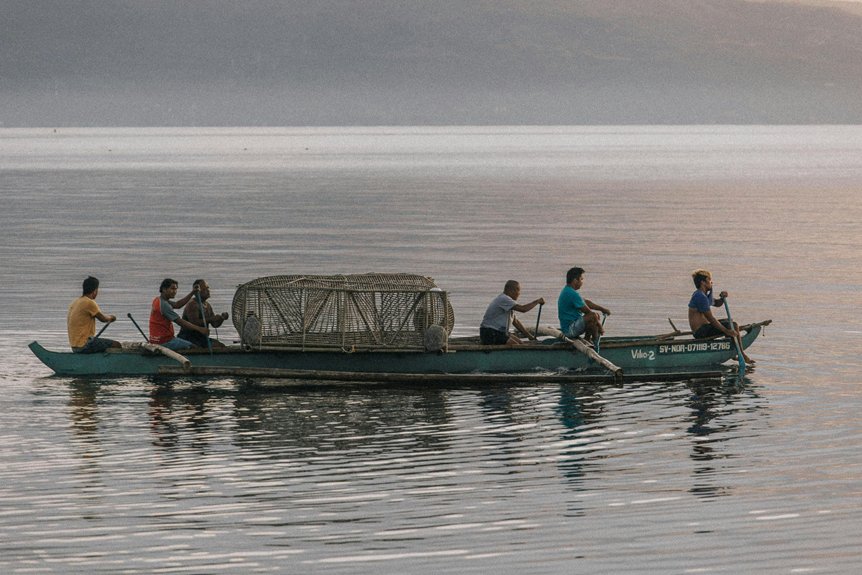
Savannah Fishing Tips for Inshore Anglers
If you want to make the most of your inshore fishing trips in Savannah, understanding the local saltwater environment is essential. With its estuaries, marshlands, and shifting tides, each trip offers unique opportunities—and challenges. By selecting the right gear and timing your outings carefully, you can increase your chances of success. But what specific strategies and insights will help you target the region’s most sought-after fish?
Understanding Savannah’s Inshore Ecosystem
To successfully fish in Savannah, understanding its inshore ecosystem is essential. You need to recognize how marshland ecology creates a rich habitat for various fish species.
Saltwater estuaries, where freshwater from rivers meets the ocean, form the heart of this environment. These estuaries act as nurseries, providing shelter and abundant food that attract species like redfish, trout, and flounder.
The dynamic interplay of tides, salinity, and submerged vegetation shapes the fishing conditions you’ll encounter. By grasping how these elements influence fish behavior and movement, you can better plan your trips.
Knowing the ebb and flow of the saltwater estuaries and the role of marshlands helps you identify prime fishing spots and increases your chances of a successful catch. Additionally, exploring local fishing guides can provide invaluable insights tailored to Savannah’s unique ecosystem.
Choosing the Right Gear for Inshore Fishing
Choosing the right gear is essential for success in inshore fishing around Savannah. If you’re into fly fishing, select a lightweight rod and reel combo designed for quick, accurate casts in shallow waters. Use floating lines and small, natural-colored flies to mimic local baitfish.
For kayak fishing, opt for a sturdy, medium-action rod that’s easy to handle while paddling. A reliable reel with smooth drag helps you land fish without stress. Make sure your tackle box includes a variety of hooks, weights, and soft plastics suited for inshore species.
Comfortable, polarized sunglasses will improve visibility through the water. Whether you’re casting from the bank, pier, or kayak, having the right gear tailored to your style increases your chances of a successful and enjoyable day on Savannah’s waters.
Best Bait and Lures for Savannah’s Fish Species
Selecting the right bait and lures can make a significant difference when targeting Savannah’s inshore species. For many fish, live bait like shrimp, mud minnows, or small crabs works best, mimicking their natural prey. These are especially effective for species like redfish and trout.
Artificial lures, such as soft plastics, topwater plugs, and jigs, are versatile options that can be used in various conditions and depths. They allow you to cover more water and provoke strikes with realistic movement and color.
Combining live bait and artificial lures gives you flexibility based on the fish’s feeding behavior and water conditions. Experimenting with different types helps you determine what works best during your trip, increasing your chances of a successful catch.
Timing Your Trips for Prime Fishing Conditions
Timing your trips is essential for maximizing your chances of a successful catch in Savannah. Pay close attention to moon phases, as they influence fish activity and feeding patterns. During new and full moons, fish tend to be more active, making those periods ideal for inshore fishing.
Checking up-to-date fishing reports will give you insights into recent catches and best times. These reports often highlight when fish are biting and where to focus your efforts.
Planning your trips around the tides, which are affected by moon phases, can also boost your success. By aligning your outings with peak activity periods indicated in fishing reports and moon cycles, you’ll improve your chances of landing a quality catch in Savannah’s waters.
Techniques for Casting and Presenting Bait Effectively
Once you’ve pinpointed the best times to fish in Savannah, mastering how you cast and present your bait can make all the difference. Focus on improving your casting accuracy to land your bait precisely where the fish are feeding. Use smooth, controlled motions to avoid spooking nearby fish and to ensure your bait lands softly on the water.
Pay attention to bait presentation—your goal is to mimic natural movements and avoid tangles. Position your bait at the right depth and drift it naturally with the current. A clean, well-placed cast enhances your chances of attracting bites, especially when targeting specific species.
Practice different casting techniques to become more precise and confident, which ultimately improves your success rate in Savannah’s inshore waters.
Recognizing Fish Habitats and Hotspots
Understanding where fish gather is essential for successful fishing in Savannah. Fish migration patterns often lead them to specific habitats during different times of the year, so knowing these routes helps you target hotspots effectively.
Look for underwater structures like oyster beds, submerged rocks, and ledges, which serve as shelter and feeding grounds. These features attract fish because they provide cover and abundant food sources.
Pay attention to areas where current flows around structures—these spots concentrate baitfish and predator fish alike. Fish tend to congregate near these habitats, especially during migrations or feeding frenzies.
Recognizing these key underwater structures and migration patterns allows you to focus your efforts on the most productive spots, increasing your chances of a successful catch.
Navigating Local Tides and Weather Patterns
Managing local tides and weather patterns is essential for maximizing your fishing success in Savannah. Accurate marine navigation relies on understanding tidal charts, which reveal when tides rise and fall, influencing fish movement and feeding times. Planning your trip around these tidal cycles helps you target active fish during high or low tides, when baitfish are more accessible.
Keep an eye on weather patterns, as changes in wind, temperature, or storms can affect water clarity and fish behavior. By staying informed about tides and weather, you can adjust your approach, choose suitable fishing times, and avoid dangerous conditions.
Proper navigation and planning ensure you’re in the right place at the right time, increasing your chances of a successful inshore catch.
Respecting Regulations and Sustainable Practices
To guarantee your fishing efforts in Savannah are sustainable and legal, it’s crucial to respect local regulations and conservation practices. Always carry your valid local fishing license to ensure you’re compliant with state rules.
Familiarize yourself with size and bag limits for inshore species to prevent overharvesting. Practice catch and release when possible, especially with trophy-sized or undersized fish, to help maintain healthy populations.
Avoid taking more fish than recommended, and be mindful of protected species and seasonal closures. Respecting these regulations not only keeps you within the law but also supports the long-term health of Savannah’s fisheries.
Tips for Handling and Releasing Fish Properly
Handling fish carefully and releasing them properly helps guarantee healthy populations for future anglers. Proper fish handling minimizes stress and injury, increasing the likelihood of survival after catch and release.
Use wet hands or a wet cloth to handle fish gently, avoiding squeezing or pressing on the body. Keep the fish in the water as much as possible during the catch and release process.
When removing hooks, use pliers to minimize damage, and do so quickly to reduce stress. If you plan to catch and release, handle the fish with care and limit the time out of the water.
Following these catch and release tips ensures the fish stay healthy and contributes to sustainable inshore fishing in Savannah. Always prioritize fish welfare to support healthy ecosystems.
Conclusion
By understanding Savannah’s ecosystem, choosing the right gear, and timing your trips wisely, you’ll boost your chances of a successful day on the water. Focus on natural bait, master your casting, and recognize key fish habitats to maximize your catches. Stay aware of tides and weather, follow local regulations, and practice sustainable fishing. To find the best fishing guides and tips, visit us online at [US Fishing Guides](https://www.usfishingguides.com). With these tips, you’ll enjoy rewarding inshore adventures and help preserve Savannah’s vibrant fisheries for years to come.
We write rarely, but only the best content.
