


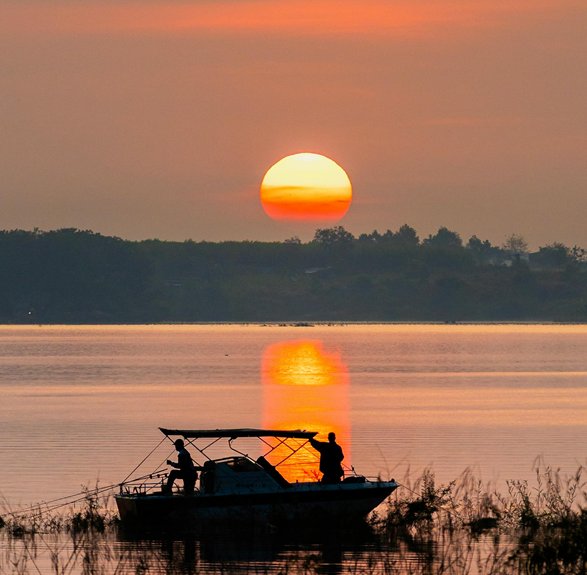
Spokane Fishing Tips for Washington Lakes
If you’re planning to fish in Spokane’s Washington lakes, knowing the right spots, equipment, and techniques can make all the difference. From understanding water conditions to finding accessible shoreline areas, proper preparation helps you enjoy a productive outing. But every lake presents its own challenges and opportunities. Ready to discover how to maximize your chances and create a successful, enjoyable trip? Let’s explore the essential tips that can help you make the most of your time on Spokane’s waters.
Best Times of Year to Fish in Spokane Lakes
The best times to fish in Spokane lakes typically fall in the spring and fall when fish are most active. During these seasons, seasonal patterns align with fish feeding habits, making them more responsive to bait and lures. Consulting fishing calendars helps you identify peak periods, such as spawning seasons in spring or pre-winter feeding frenzies in fall. Spring often offers excellent trout and bass fishing as fish emerge from winter dormancy, while fall’s cooler temperatures stimulate feeding activity before winter. Additionally, exploring local fishing guides can provide valuable insights into the best times and spots to maximize your success during these prime seasons.
Top Lakes for Fishing in Spokane
If you’re looking for prime fishing spots in Spokane, several lakes stand out for their abundant fish populations and accessible locations. Lake Spokane, also known as Rock Lake, offers excellent fishing for bass, walleye, and trout.
Clear Lake is perfect for trout and panfish, while Newman Lake attracts anglers targeting bass and crappie. To maximize your success, experiment with different lure types like crankbaits, soft plastics, and spinners.
Knowing how to tie strong fishing knots, such as the improved clinch or Palomar knot, guarantees your tackle stays secure. These lakes provide diverse fishing environments, so adjusting your lure choices and knot techniques can make all the difference.
Whether you’re after a quick catch or a relaxing day on the water, Spokane’s top lakes deliver great fishing opportunities.
Essential Gear and Tackle for Spokane Lakes
To have a successful day on Spokane lakes, you need the right gear and tackle. Start with essential fishing accessories like polarized sunglasses, a reliable line cutter, and a tackle box to keep everything organized.
Tackle organization is key; use compartments or small containers to sort baits, hooks, and weights for quick access. Bring a variety of lures suited for local fish species, along with extra lines and pliers.
A comfortable rod and reel combo will improve your chances, so choose gear suited for the lake’s conditions. Don’t forget to pack sunscreen and a hat for sun protection.
Having well-organized tackle and quality accessories helps streamline your fishing experience and keeps you focused on catching fish instead of searching for gear.
Techniques for Catching Local Fish Species
Mastering effective techniques is essential for catching the local fish species in Spokane lakes.
For surface-feeding species like trout, fly fishing is highly effective. Use lightweight flies that mimic insects, and cast gently to avoid spooking fish. Vary your retrieval speed to find what triggers bites.
During colder months, ice fishing becomes your best option. Drill holes through the ice and use small jigs or baited hooks to target species like perch and crappie. Keep your line steady and be patient, watching for subtle bites.
Adjust your depth and lure presentation based on fish activity. Both fly fishing and ice fishing require patience and observation, but with practice, you’ll improve your success rate and enjoy more productive outings in Spokane lakes.
Local Regulations and Licensing Requirements
Understanding the local regulations and licensing requirements is key to having a legal and enjoyable fishing experience in Spokane lakes. You must verify you meet the license requirements before casting your line.
Washington state requires anglers to carry a valid fishing license, which can vary depending on your age, residency, and the type of fishing you plan to do. Familiarize yourself with local fishing regulations, including season dates, catch limits, and restricted areas, to avoid fines or penalties.
Some lakes may have specific rules for certain species or gear restrictions. Always check the latest updates from the Washington Department of Fish and Wildlife before heading out.
Staying informed about these regulations helps protect fish populations and ensures your fishing trip remains trouble-free.
Tips for Using Bait Effectively
Using the right bait can make a significant difference in your success on Spokane lakes. Live bait, like worms or minnows, often attracts more fish because it mimics their natural prey. Keep your bait fresh and properly presented to entice bites.
When using artificial lures, choose ones that match the local forage and vary your retrieval speed to trigger strikes. Experiment with different colors and sizes to see what works best for the species you’re targeting. Always verify your bait is securely attached, so it moves naturally in the water.
Switching between live bait and artificial lures can improve your chances, especially when fish are selective. Pay attention to water conditions and adjust your bait choice accordingly to maximize your catch.
How to Read the Water and Spot Fish Habitats
To find fish, you need to learn how to read the water and identify key habitats. Look for underwater structures like rocks, fallen trees, and weed beds, which provide cover and attract fish. Pay attention to water movement—fish often gather where currents slow or create eddies, as these areas concentrate food.
Changes in water depth, such as drop-offs and submerged ledges, also indicate good spots for fish. Notice surface activity or ripples, signaling feeding fish below.
Safety Tips for Shore and Boat Fishing
Whether you’re fishing from the shore or out on a boat, prioritizing safety is essential to guarantee an enjoyable and accident-free experience. For kayak safety, always wear a life jacket and stay alert to weather changes. Keep your kayak well-maintained, checking for leaks or damage before heading out.
If you’re in a boat, perform regular boat maintenance, including inspecting the engine, hull, and safety equipment like flares and radios. Avoid overloading your boat to prevent instability.
Always inform someone about your fishing plans and expected return time. Be cautious around slippery rocks or uneven terrain when onshore.
Staying prepared and attentive ensures that your Spokane lakes fishing trip remains fun and safe, letting you focus on the enjoyment of the catch.
Best Practices for Catch and Release
Practicing proper catch and release techniques helps guarantee fish survive and thrive after being released. To handle delicate fish correctly, wet your hands before touching them to prevent removing protective slime.
Minimize stress by keeping the fish in the water as much as possible and avoiding excessive handling. Use pliers to carefully remove hooks, and avoid squeezing the fish, which can cause internal injuries.
Limit the time the fish spends out of water to just a few seconds, and handle it gently to prevent damage. Revive the fish by holding it upright in the water, supporting its belly, and moving it slowly back and forth to help water flow over its gills.
Following these practices increases the chances your catch will recover and continue to thrive.
Planning Your Trip: Weather and Accessibility Considerations
Planning your fishing trip requires paying attention to weather conditions and accessibility to guarantee a successful outing. Seasonal weather in Spokane can vary, so check forecasts to assure safe and comfortable conditions.
During colder months, lakes may be icy or have reduced accessibility, presenting challenges for navigation and gear. Summer and spring bring warmer temperatures but can also cause accessibility challenges like muddy trails or overgrown paths.
Consider the terrain and trail conditions before heading out, and plan for possible weather changes. Make certain your vehicle can access the lake, especially during winter or after heavy rains.
Preparing for seasonal weather fluctuations helps you avoid surprises and makes your trip more enjoyable. Proper planning guarantees you’re ready for any accessibility challenges and can focus on catching fish.
Conclusion
By understanding the best times, top spots, and essential gear, you’ll be well-prepared to make the most of your Spokane lake fishing adventures. To find the best fishing guides and tips, visit us online at [US Fishing Guides](https://www.usfishingguides.com). Keep safety in mind, respect local regulations, and adapt your techniques to the water conditions. With proper planning and awareness of accessible areas, you’ll enjoy a smooth, memorable outing. So gear up, stay patient, and embrace the beauty of Spokane’s lakes — great fishing awaits!
We write rarely, but only the best content.
